Prevent Drain Clogs in Central Florida with a Few Quick Tips
Quick Summary / TL;DR
Prevent drain clogs with a few daily habits in the kitchen, bathroom, and outdoors.
Kitchen
Use a sink strainer, scrape plates, and never pour grease down the drain. Finish with hot water.
Bathroom
Catch hair with a cover, clean stoppers, and use gentle options like baking soda + vinegar for mild buildup.
Outdoor drains
After storms, clear leaves/debris and watch for pooling water—outdoor clogs can push problems back indoors.
When to call Pat
Recurring slow drains, odors, or backups usually mean buildup deeper in the line—schedule a clean-out early.
Keeping drains clear is an important part of maintaining a healthy and happy home environment. Simple habits can go a long way in preventing clogs, which helps avoid the headache of dealing with backed-up sinks and tubs. Using home plumbing services allows us to tackle these issues early, reducing the chance of major problems down the line. Throughout this post, we'll look at practical tips to help keep your drains running clear and efficient. Taking time to understand your plumbing now can save significant time and money in the future, as many plumbing emergencies can be traced back to preventable drain clogs.
Drain care doesn’t have to be complicated. With just a bit of attention, any homeowner can put methods into place that foster long-term plumbing health. This step-by-step approach can make a noticeable difference in your day-to-day home experience, ensuring comfort and reliability in your plumbing system.
Understanding What Causes Drain Clogs
Many common causes of drain clogs are easily avoidable with a little know-how. Food particles, hair, soap scum, and grease are frequent culprits that can create stubborn blockages in pipes. By understanding these causes, we can take steps to prevent them from happening. For instance, kitchen and bathroom practices often lead to these clogs, but with awareness, we can adopt better habits. Engaging with home plumbing services allows us to identify and resolve potential issues before they escalate, making sure everything flows smoothly.
It’s also useful to know that older homes may have pipes that are more susceptible to clogging over time due to accumulated debris. Seasonal changes can result in varying amounts of debris entering your pipes, especially in regions with heavy rainfall or increased use of outdoor plumbing features. Excessive usage during gatherings or holidays can also introduce more material into drains, so awareness during busy times makes a big difference.
Water pressure and pipe material can also influence how quickly clogs develop. Softer metals and aging plastic pipes can accumulate buildup more quickly, leading to more frequent maintenance needs. Understanding the underlying causes allows for better prevention and a more efficient overall system. Regular checks and occasional professional inspections can highlight potential issues, allowing you to act before a clog forms.
What’s Clogging Your Drains?
Most clogs come from a few repeat offenders. Stop these early and your drains stay fast.
Simple Habits to Prevent Kitchen Drain Clogs
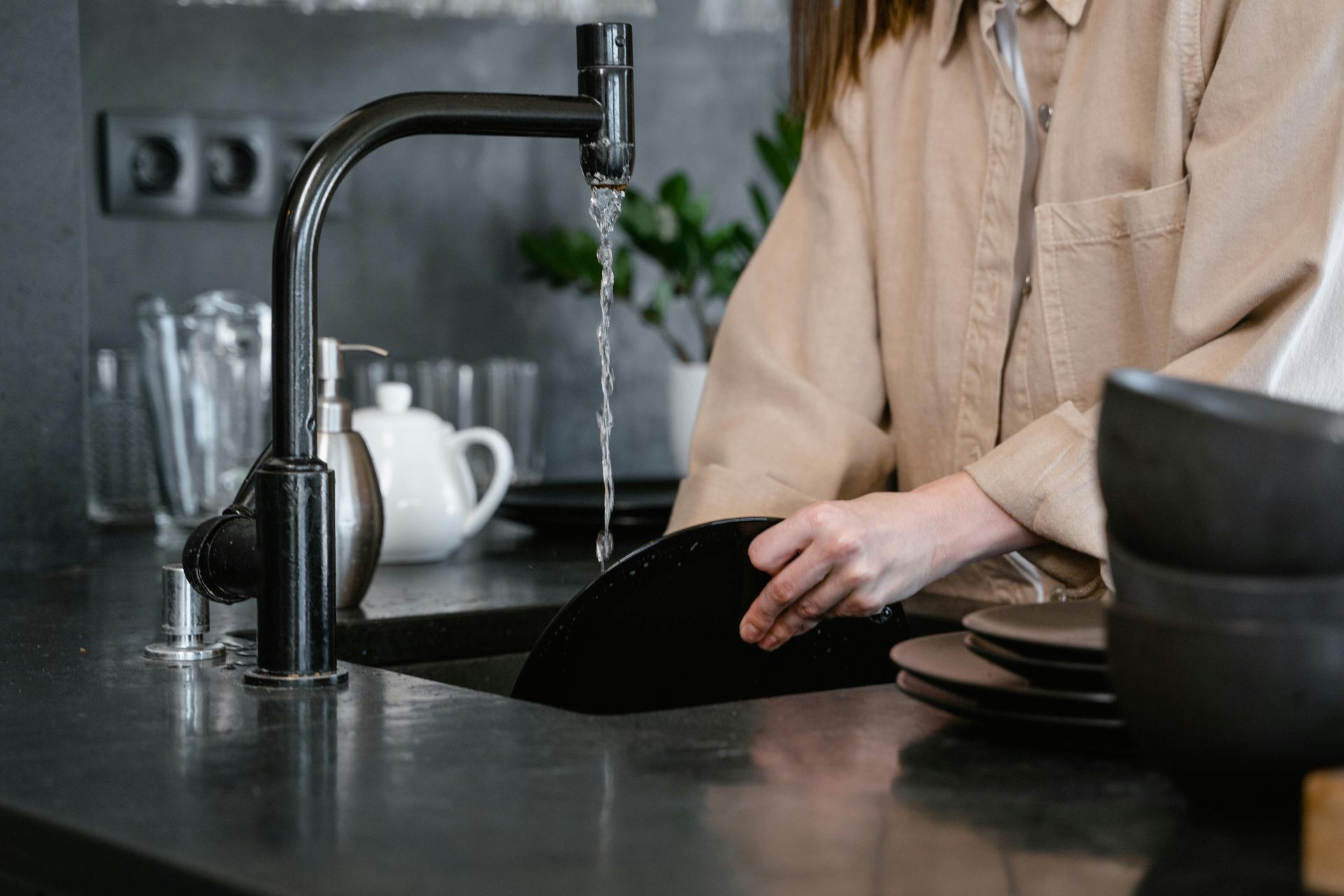
A few simple habits in the kitchen can significantly reduce your chances of experiencing clogs. It's helpful to use strainers in your sinks to catch food debris before it washes down the drain. When disposing of grease, make sure it ends up in a container and not down the pipes, as it can harden and build up quickly. Keeping a regular cleaning routine helps guarantee kitchen drains stay as clear as the day they were first installed. This means taking a little extra time in your usual cleaning to rinse and clear sinks thoroughly.
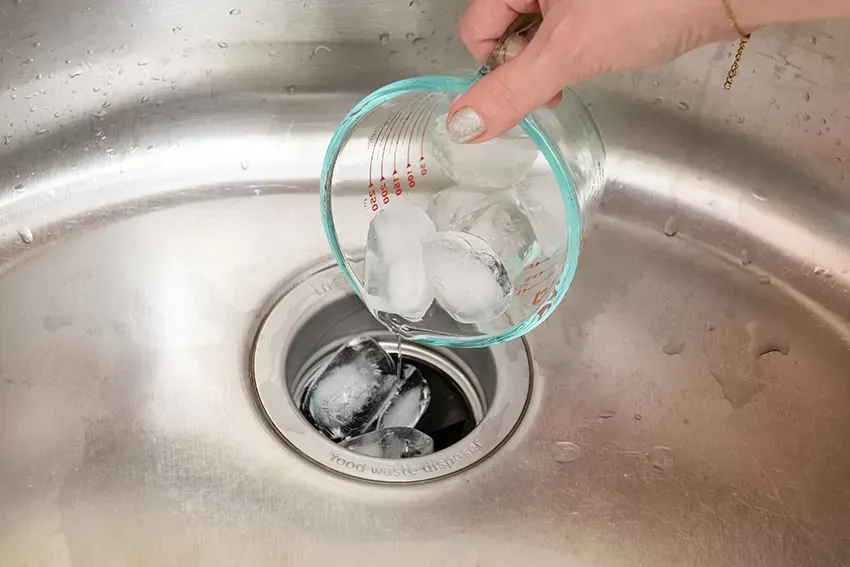
Additionally, you can prevent blockages by running hot water after each use, as it helps move tiny food particles and soap residue through your pipes instead of letting them settle and stick. Grinding citrus peels or a little ice in your garbage disposal can also keep blades sharp and internal parts cleaner, which aids the disposal unit in breaking down small waste items that might otherwise cause trouble.
Consider scraping plates and cookware into the trash or compost bin before rinsing, especially when dealing with foods that swell or turn sticky, such as rice and pasta. Residues from coffee grounds, fibrous vegetables, or grease-heavy substances should never be sent down the kitchen drain, no matter how small the quantity may seem.
Pat's Plumbing offers professional
residential drain cleaning services that help prevent stubborn blockages in kitchens, bathrooms, and laundry rooms. Our technicians use safe and effective methods to clear debris and maintain consistent water flow in homes across Central Florida.
Keeping your kitchen sink area organized and clutter-free can encourage everyone in your household to follow good drain care habits. When cleaning the kitchen, take an extra moment to wipe out the sink after rinsing dishes or prep work, removing residues before they have a chance to enter the pipes.
Preventing Bathroom Drain Clogs Naturally
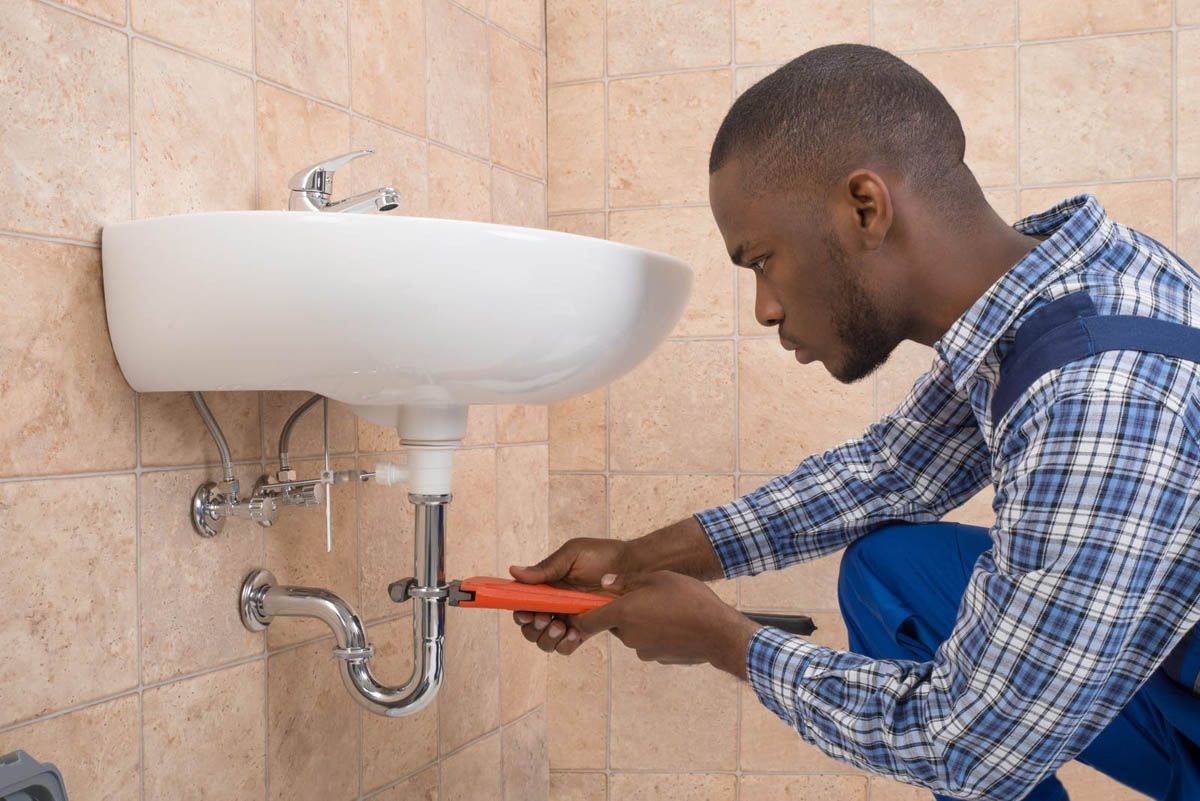
In the bathroom, hair and soap scum are often the primary offenders. Reduce hair buildup by using drain covers and make it a habit to clean them out regularly. Maintenance does not have to be tedious. Popping out stoppers and traps for occasional cleaning can prevent future troubles. Opting for gentle, natural cleaners rather than harsh chemicals can be a smart move, as they keep your pipes and the environment healthier without causing damage over time.
Another helpful routine is to comb or brush hair before showering, catching loose strands before they reach your drains. Choose bath products with fewer solidifying agents. When cleaning tubs, showers, and sinks, consider an occasional flush with a solution of baking soda and vinegar, followed by hot water, to clear mild buildup. This natural cleaning practice is safe and cost-effective while avoiding chemical residues that can corrode your pipes.
Consider keeping an old toothbrush or small cleaning brush just for bathroom drains. These tools can help you quickly dislodge residue from around stoppers or inside the upper part of the trap. For families with long-haired members, more frequent cleaning may be necessary, but staying consistent in your routine pays off in the long run.
Pat's Plumbing recommends biodegradable home formulas for minor cleaning and provides routine bathroom drain inspection and service using advanced water jetting to safely dislodge buildup without causing pipe damage.
Consider regular professional maintenance, especially if you’re noticing recurring slow drains or foul odors. Technicians can quickly identify the source of stubborn clogs and prevent further damage or potential overflows, saving time and hassle.
Natural “Quick Flush” (for mild buildup)
A simple routine to help keep bathroom drains fresh between professional cleanings.
How Outdoor Drains Can Affect Home Plumbing
Outdoor drains might not get as much attention, but they play a role in your overall plumbing health. Garden and exterior drains can affect the entire plumbing system, especially when clogged with leaves and debris. Regular upkeep like clearing these items makes sure that water drains properly away from your home. For those times when the tasks feel overwhelming, professional home plumbing services provide the expertise to manage a plumbing system that includes outdoor components.
Outdoor drains are especially relevant after storms, heavy rainfall, or seasonal leaf shedding. Make a habit of checking for standing water or slow runoff in your yard after weather events to catch clogged drains early. Installing leaf guards or grates over exterior drain openings can limit how much debris reaches your plumbing system. Cleaning gutters and downspouts also plays a critical role, as these structures funnel water away from your house and help prevent accidental flooding or water pooling near your foundation.
Our Central Florida team can inspect outdoor drains as part of seasonal maintenance checks, recommending necessary repairs or cleanouts that prevent water from backing up into home plumbing lines or causing yard flooding.
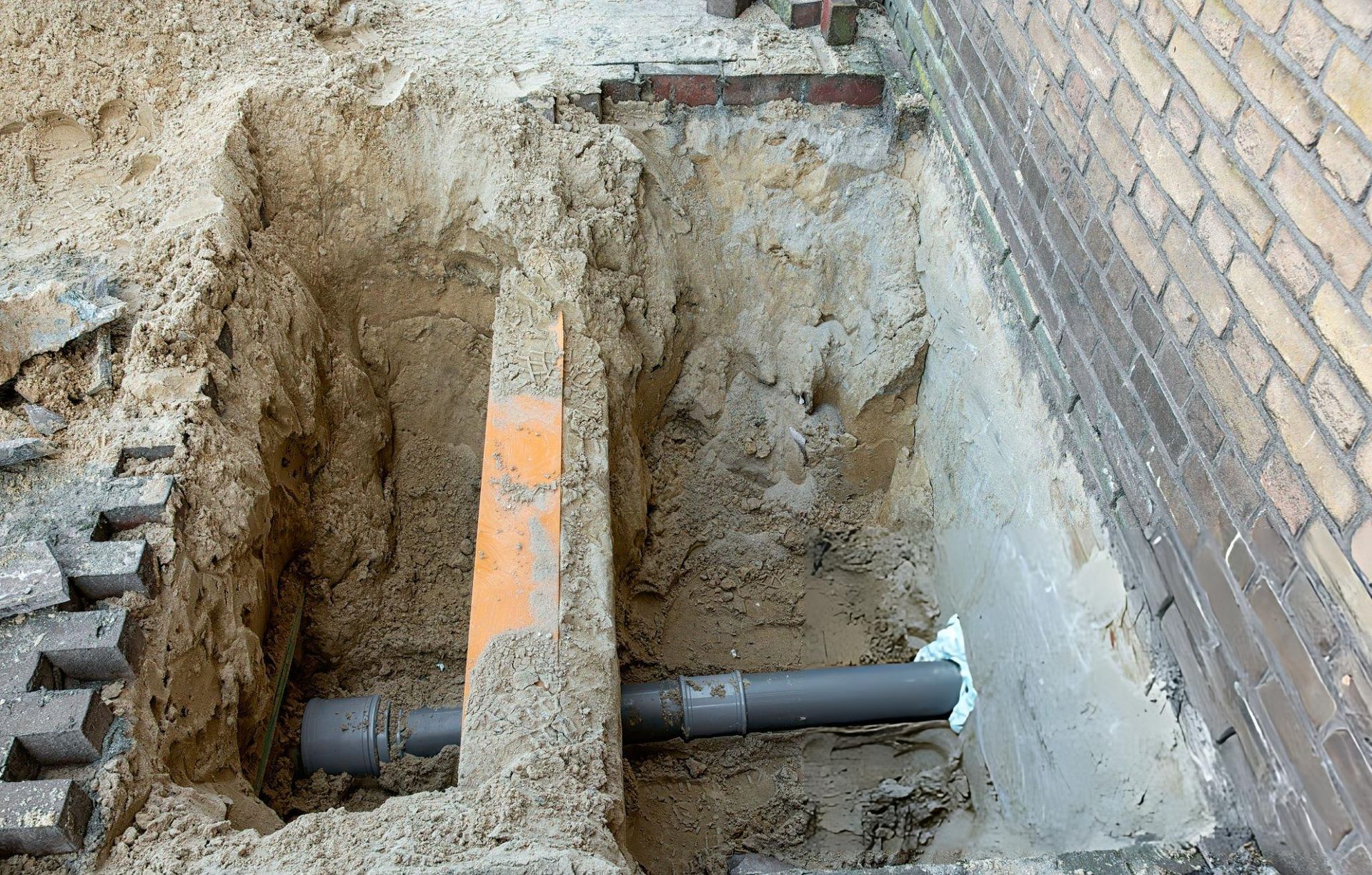
Tree roots can sometimes invade underground pipes, leading to slow drainage or even pipe damage. Catching this early reduces costly repairs and keeps your system functioning smoothly. If you notice unusual soggy spots in your yard or consistent backups, consider having a professional check for root infiltration or collapsed lines.
Seasonally, sweep up and dispose of leaves, twigs, and lawn clippings from around exterior drains. This quick action greatly reduces the risk of blockages. If you store outdoor tools or garbage bins near a drain, make sure they stay clear and free from loose debris that could be washed into the system during rain.
Start Enjoying Your Clog-Free Home
The key to enjoying a clog-free home lies in easy, consistent habits. The simplicity of adopting these practices can lead to a significant reduction in drain issues. When we address small issues consistently, we help prolong the life and efficiency of our plumbing systems. There's a real peace of mind in knowing your plumbing is well-maintained and capable of handling the water flow you depend on daily. With these simple steps, we can keep things running smoothly all year round.
Small efforts each week create a powerful impact over the course of months and years. The time you spend attending to drains is time invested in avoiding future stress or emergency repairs. Share these drain care routines with everyone in your household, so that good habits become second nature for your whole family.
Taking these precautions is not only beneficial for your home, but it’s also a responsible approach toward sustainability, as clear drains help save water and prevent unnecessary waste. Regular care supports both convenience and the longevity of your home's essential systems.
At
Pat's Plumbing, we know that keeping your drains clear is key to a stress-free home. By taking a few simple steps and turning to our home plumbing services, you can greatly reduce your risk of clogs. Our experienced team is always available with expert advice and support to help your plumbing system run smoothly and reliably.
Reach out today so we can help keep your water flowing effortlessly.
Keep drains flowing—without surprise backups
If you’re seeing slow drains, odors, or repeat clogs, a professional clean-out can remove deeper buildup safely and restore consistent flow.
FAQ: Preventing Drain Clogs
Quick answers to common questions homeowners have about keeping drains clear.
What should I never put down a kitchen drain?
Is baking soda and vinegar safe for pipes?
How often should I clean hair catchers and stoppers?
Why do clogs keep coming back?
What are signs I need professional drain cleaning?
Do chemical drain cleaners damage pipes?
Check Out These Helpful Plumbing Articles